Halal Supplements: The Complete Guide
At a glance (TL;DR)
- A halal supplement has no pork-derived ingredients or alcohol, and uses permissible sources for gelatin and other additives.
- The three fastest label checks: the certification mark, the capsule or gummy base, and the full ingredient list.
- Gelatin, glycerin, stearates and flavor carriers are the usual 'doubtful' ingredients; independent certification resolves them.
Quick answer: A halal supplement contains no pork-derived ingredients and no alcohol, uses permissible sources for gelatin and other animal-derived additives, and is produced to Islamic dietary standards, ideally verified by an independent certifying body. The three fastest things to check on any label: the certification mark, the capsule or gummy base, and the full ingredient list.
Supplements are one of the hardest product categories to shop for if you follow halal dietary guidelines. A loaf of bread has a short ingredient list. A softgel has gelatin of unstated origin, a capsule shell that could come from four different sources, and processing aids that never appear on the label at all. This guide explains, ingredient by ingredient and format by format, what actually makes a supplement halal, how certification works behind the scenes, and how to check any product in under two minutes.
What "halal" means on a supplement label
Halal is Arabic for "permissible." Applied to food and supplements, it means the product is made to Islamic dietary standards: no pork or pork-derived ingredients, no alcohol, and any animal-derived ingredient must come from an animal that is itself permissible and processed the correct way. The opposite is haram (impermissible), and there is a cautious middle category called mashbooh, or "doubtful," for ingredients whose source can't be confirmed.
That last category is the whole story with supplements. Very few supplement ingredients are obviously haram. The problem is how many are doubtful. Gelatin, glycerin, stearates, enzymes, and flavor carriers can each be plant-derived or animal-derived, and the label usually doesn't say which. A halal certification resolves the doubt: an independent body has traced every ingredient back to its source so you don't have to.
Why supplements are harder than food
Three reasons the supplement aisle is uniquely tricky:
- Hidden animal ingredients. The capsule around the herb is an ingredient too. So is the coating on a tablet, the carrier in a flavor, and the anti-caking agent in a powder. These are exactly the ingredients most likely to be animal-derived, and least likely to state a source.
- Processing aids don't have to appear on the label. A filtration step using animal-derived material, or an alcohol-based extraction solvent, can be part of manufacturing without ever showing up in the ingredient list. Only a facility-level review catches these.
- Shared equipment. A facility that runs pork-gelatin softgels in the morning and "plant-based" capsules in the afternoon has a cross-contamination question that no ingredient list can answer. Certification audits look at cleaning and changeover procedures for exactly this reason.
The ingredient watchlist
These are the ingredients to scan for on any supplement label, roughly in order of how often they cause a problem.
Gelatin. The single biggest issue in the category. Gelatin is a protein made from animal collagen. Most commercial gelatin comes from pork skin, the rest largely from cattle hides and bones, plus a small share from fish. Pork gelatin is not halal, full stop. Beef gelatin is only halal when the cattle were slaughtered according to Islamic requirements (zabiha), which is why "beef gelatin" alone on a label is not enough. It needs certification behind it. Fish gelatin is generally accepted. Gelatin appears in softgels, most conventional gummies, and many two-piece capsules.
Capsule shells. Two-piece hard capsules are made either from gelatin (see above) or from plant-derived materials, most commonly HPMC (hypromellose, made from plant cellulose) or pullulan (fermented from tapioca). Plant-derived shells sidestep the gelatin question entirely, which is why they're the default choice for halal-conscious formulation.
Softgels. Softgel capsules are almost always gelatin-based. The soft, one-piece shell is what gelatin does best. Halal softgels exist, made with certified beef or fish gelatin, but this is the format where you should be strictest about seeing a certification mark rather than assuming.
Glycerin (glycerol). A softener used in softgels, gummies, and liquid extracts. It can be made from plant oils or from animal fat, and labels rarely specify. Plant glycerin is standard in certified products.
Alcohol. Liquid herbal extracts are often made by soaking herbs in ethanol, and some flavorings use alcohol as a carrier. Halal standards restrict alcohol, and certifying bodies set strict limits on any residual traces in a finished product. If you use liquid extracts, this is the first thing to check.
Magnesium stearate and stearic acid. Common flow agents in capsules and tablets. Stearic acid can come from plant oils or animal fat. Certified products use the plant version.
Carmine (cochineal). A red colorant made from insects, found in some colored gummies and coated tablets. Many certification bodies do not accept it, and most halal-certified products use fruit or vegetable colors instead.
Vitamin D3 (cholecalciferol). Usually derived from lanolin, the wax from sheep's wool. Rulings vary between certifying bodies. Some accept lanolin-derived D3, others prefer plant (lichen) sources. If D3 is in your supplement, this is one to ask the brand or certifier about directly.
Enzymes and L-cysteine. Digestive enzymes can be animal-derived or microbial; L-cysteine (in some formulations) has historically been sourced from feathers or hair. Microbial and synthetic versions are the halal-compatible route.
Single-ingredient herbs, like a bag of whole black seeds or a powdered root with nothing added, sit at the low-risk end of the category. The herb itself is a plant. The halal question is mostly about what gets added around it and the facility it runs through.
How halal certification actually works
A certification mark is shorthand for a process. Details differ between certifying bodies, but the core steps are consistent:
- Ingredient review. The manufacturer submits every ingredient, including processing aids, carriers, and sub-ingredients of flavors, with source documentation. Anything animal-derived needs evidence of a permissible source.
- Supplier verification. Certificates are collected from upstream suppliers, so a claim like "plant glycerin" is backed by the glycerin maker's own documentation, not just the brand's word.
- Facility audit. Inspectors review the production site: what else is made there, how equipment is cleaned between runs, how halal materials are stored and segregated, and how cross-contamination is prevented.
- Certification and ongoing monitoring. If the product and facility pass, the certifier issues a certificate, typically renewed annually, with repeat audits and the right to inspect. The brand can then print the certifier's mark on the label.
In the United States, well-known certifying bodies include IFANCA (whose crescent-M mark is common on supermarket products), ISNA Halal, and the American Halal Foundation, alongside international bodies whose marks appear on imported products. The specific mark is less important than the fact that there is one. It means an independent third party, not the marketing department, stands behind the halal claim.
Halal vs. kosher vs. plant-based: not interchangeable
Three label claims get mixed up constantly:
- Kosher is not halal. The two systems overlap (both exclude pork) but they are different standards run by different authorities. The clearest divergence: alcohol can be kosher, but is restricted under halal rules. A kosher mark is a useful signal that ingredient sourcing was audited, but it is not a halal certification.
- Plant-based is not automatically halal. A product with no animal ingredients can still involve alcohol-based processing, non-compliant flavor carriers, or shared-equipment issues. Plant-based removes the gelatin question; it doesn't replace certification.
- "Halal-friendly" is not "halal certified." Uncertified brands sometimes use soft phrasing like "halal-friendly" or "no pork ingredients." That may even be accurate, but it's a self-declared claim. Certification means someone independent checked.
A format-by-format buyer's guide
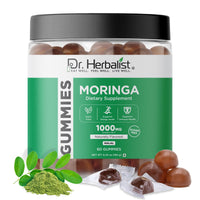
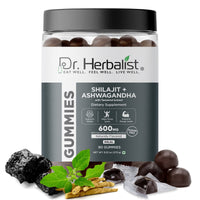
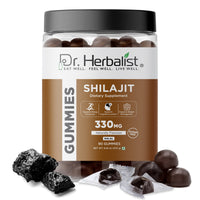
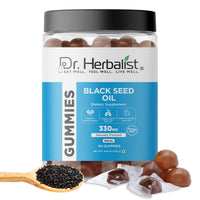
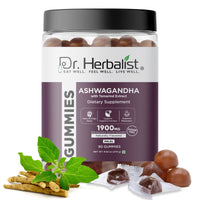
Gummies. Conventional gummies are usually gelatin-based, which makes uncertified gummies one of the highest-risk formats. Look for a stated gummy base (pectin and other plant bases avoid the question entirely; certified gelatin resolves it) plus a certification mark. We've written a full guide: Halal Gummies Without Gelatin: What to Look For. Dr. HERBALIST's gummy line is Halal certified and made without pork-derived gelatin or alcohol. That includes Ashwagandha, Black Seed Oil, Shilajit, Castor Oil, Moringa and Tongkat Ali.
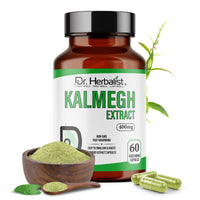
Capsules. Ask one question: what is the shell? Plant-derived shells (HPMC/pullulan) or certified gelatin both work; an unstated "gelatin" shell is a doubt. Browse our capsule range, including Kalonji (Black Seed) Capsules and Ashwagandha Extract Capsules.
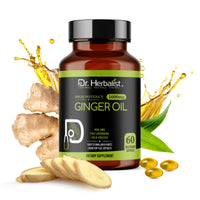
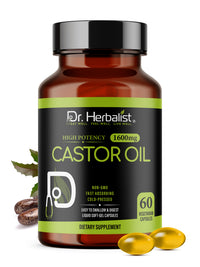
Softgels. The strictest format: assume gelatin and ask for certification. Our oil softgels, like Black Seed Oil Capsules 1600mg, are Halal certified.
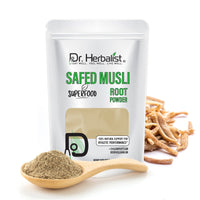
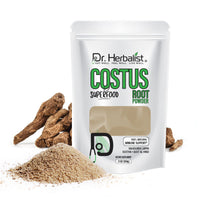
Powders and whole herbs. The simplest case. A single-ingredient powder with no additives is inherently low-risk, and certification mainly vouches for the facility. See our single-ingredient powders, like Ashwagandha Root Powder, and whole seeds, including Whole Black Seeds (Kalonji).
Oils and liquid extracts. Cold-pressed single oils are typically straightforward; alcohol-extracted tinctures are where the alcohol rules bite. Check the extraction method before the ingredient list.
The two-minute halal check, before you buy
- Find the mark. Look for an independent halal certification mark on the label or product page. If you can't find one, treat every animal-derivable ingredient as a question.
- Identify the base. Gummy: gelatin or plant base? Capsule: gelatin or HPMC? Softgel: certified or not?
- Scan the watchlist. Gelatin, glycerin, stearates, carmine, D3, enzymes, flavors ("natural flavors" with no carrier info is a fair question to ask).
- Check for alcohol. Especially on liquid extracts and flavored products.
- Ask. A brand that takes halal seriously will answer sourcing questions directly and name its certifier. Silence is an answer too.
Where Dr. HERBALIST fits
Dr. HERBALIST is a family-run herbal supplement brand whose whole range (gummies, capsules, oil softgels, powders and whole seeds) is Halal certified and made without pork-derived ingredients or alcohol. Our gummies are individually wrapped with no added sugar, and our single-ingredient powders and seeds carry no fillers. If you have a sourcing question about any product, contact us and we'll answer it specifically.
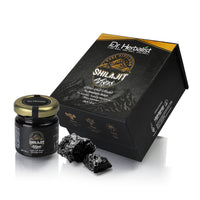
For deeper reading on individual herbs, start with Is Ashwagandha Halal?, Black Seed (Nigella Sativa): Capsules, Gummies & Oil Compared, and Shilajit: The Science Behind Himalayan Resin.
Frequently asked questions
What makes a supplement halal?
No pork-derived ingredients, no alcohol, and permissible sourcing for every animal-derived component, including the capsule shell, gummy base, and processing aids. Independent certification verifies all of this at the ingredient and facility level.
Is gelatin halal?
It depends on the source. Pork gelatin is not halal. Beef gelatin is halal only when the cattle were slaughtered to Islamic requirements, which certification confirms. Fish gelatin is generally accepted. If a label says only "gelatin," the source is unknown, so treat it as doubtful.
Are gummy vitamins halal?
Only some. Conventional gummies typically use gelatin of unstated origin. Halal options use plant bases like pectin or certified gelatin, so look for the certification mark. See our full guide to halal gummies without gelatin.
How can I tell if a supplement is halal certified?
Look for an independent certifying body's mark on the label or product page (for example IFANCA, ISNA Halal, or the American Halal Foundation in the US). "Halal-friendly" wording without a mark is a self-declared claim, not a certification.
Is halal the same as kosher or plant-based?
No. Kosher is a different standard. Notably, alcohol can be kosher but is restricted under halal rules. Plant-based products avoid animal ingredients but can still involve alcohol processing or shared-equipment issues. Neither substitutes for halal certification.
Are Dr. HERBALIST supplements halal?
Yes. Dr. HERBALIST products are Halal certified and made without pork-derived ingredients or alcohol, across gummies, capsules, softgels, powders and whole seeds.
This article is educational content about dietary certification and product labeling. It is not medical advice. Statements about herbal ingredients on linked product pages have not been evaluated by the Food and Drug Administration; these products are not intended to diagnose, treat, cure, or prevent any disease.