Is Ashwagandha Halal?
Quick answer: Yes, ashwagandha itself is halal. It's the root of a plant (Withania somnifera), and plants are permissible. What needs checking is the finished supplement around it. Gelatin capsule shells, gummy bases, alcohol-extracted tinctures, and additives can each change the answer, so choose a product where those are plant-derived or halal-certified.
Ashwagandha has surged in popularity across the United States, and for shoppers who keep halal, the question follows immediately: can I take it? The short answer is that the herb was never the issue. The longer answer, the one that actually helps you pick a product off the shelf, is about everything that gets added between the root and your daily routine.
The herb itself: a plant, and permissible
Ashwagandha is the root of Withania somnifera, a shrub used in Ayurvedic practice for centuries and sometimes called Indian ginseng (it's not related to true ginseng). It's classed as an adaptogen, the group of botanicals traditionally used to support the body's response to everyday stress.* As a plant, ashwagandha in its raw form is halal by default. Nothing about the root involves animal ingredients or alcohol.
If you buy it as a simple root powder with nothing added, like our Ashwagandha Root Powder 200g (single-ingredient, no fillers), the halal question is mostly settled by the ingredient list. Certification then vouches for the facility it was milled and packed in.
Where the finished product can go wrong
Most people don't take ashwagandha as loose powder. They take capsules, gummies, or drops, and that's where the four classic supplement problems appear:
1. The capsule shell. Two-piece capsules are made from either gelatin or a plant material such as HPMC (hypromellose). Gelatin of unstated origin is the single biggest reason an otherwise fine ashwagandha product fails a halal check. Most commercial gelatin is pork-derived. A plant shell or certified gelatin resolves it. (Our Ashwagandha Extract Capsules 450mg are Halal certified.)
2. The gummy base. Conventional gummies are gelatin candies at heart. Halal gummies use a plant base like pectin or halal-certified gelatin instead. We've written a full guide on what to look for in halal gummies.
3. Alcohol extraction. Ashwagandha tinctures and some "liquid drops" are made by soaking the root in ethanol. Halal standards restrict alcohol, so tinctures are the format to treat most cautiously. Capsules, gummies and powders avoid the issue.
4. The small print. Flavors with alcohol-based carriers, colorants like carmine (insect-derived), and stearates of unstated origin can each turn a "just ashwagandha" product doubtful. An independent certification mark means all of these were traced. No mark means they're your questions to ask.
For the full ingredient watchlist and how certification audits work behind the scenes, see our pillar guide: Halal Supplements: The Complete Guide.
How to check an ashwagandha product in 60 seconds
- Format first. Powder or whole root: read the ingredient list; one ingredient is a good sign. Capsule: find the shell material. Gummy: find the base. Tincture: assume alcohol unless stated otherwise.
- Look for the mark. An independent halal certification mark on the label or product page beats any wording the brand writes itself.
- Scan the extras. Gelatin, glycerin, carmine, "natural flavors" with no carrier information.
- Ask the brand. A serious brand will name its certifier and answer sourcing questions specifically.
Dr. HERBALIST's ashwagandha, format by format
Our ashwagandha range is Halal certified and made without pork-derived ingredients or alcohol:
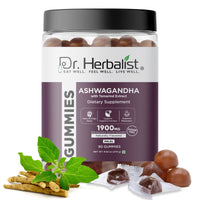
- Ashwagandha Gummies (60 ct) and Ashwagandha Gummies (90 ct): chewable, individually wrapped, no added sugar.
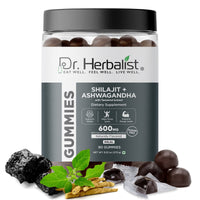
- Shilajit + Ashwagandha Gummies: the two classics in one gummy.
- Ashwagandha Root Powder 200g: single-ingredient raw root, the traditional preparation for warm milk or smoothies.
- Ashwagandha Extract Capsules 450mg: standardized extract in a capsule.
You'll find the wider range in our Stress & Mood Support collection and the full gummies line. For what the research says about the herb itself, read Ashwagandha: Capsules, Gummies & Powder for Stress Support and Ashwagandha for Stress and Cortisol: What the Clinical Research Shows.
Frequently asked questions
Is ashwagandha halal?
Yes. Ashwagandha is a plant root and inherently permissible. The halal question applies to the finished supplement (capsule shells, gummy bases, extraction solvents and additives), not the herb itself.
Are ashwagandha gummies halal?
Only if the gummy base is halal. Conventional gummies use gelatin of unstated origin. Look for a plant base like pectin or halal-certified gelatin, plus a certification mark. Dr. HERBALIST ashwagandha gummies are Halal certified and made without pork-derived gelatin or alcohol.
Are ashwagandha capsules halal?
It depends on the shell. Plant-derived shells (HPMC) and halal-certified gelatin qualify; unspecified gelatin is doubtful. Check the label or choose a certified product.
Is ashwagandha tincture halal?
Treat tinctures cautiously. Most are ethanol-extracted, and halal standards restrict alcohol. Powders, capsules and gummies avoid the issue entirely.
What is ashwagandha used for?
It's traditionally used as an adaptogen, to support a calm, steady response to everyday stress.* It is not positioned to treat any condition; for a specific health concern, talk to your healthcare professional.
*These statements have not been evaluated by the Food and Drug Administration. This product is not intended to diagnose, treat, cure, or prevent any disease.