Halal Gummies Without Gelatin: What to Look For
At a glance (TL;DR)
- Most conventional gummies use gelatin, and most commercial gelatin is pork-derived.
- Halal gummies use a plant-based gummy base such as pectin, or halal-certified gelatin, confirmed by an independent mark.
- Also check glycerin, colors and flavor carriers; Dr Herbalist gummies are plant-based and Halal-certified.
Quick answer: Most conventional gummies are made with gelatin, and most commercial gelatin is pork-derived, which rules them out for anyone keeping halal. To find halal gummies, look for either a plant-based gummy base (such as pectin) or halal-certified gelatin, confirmed by an independent certification mark. Then check the supporting cast: glycerin, colors, and flavor carriers.
Gummies have become the way many people prefer to take their supplements. No capsule to swallow, no powder to mix, easy to remember. But for halal-conscious shoppers, the gummy aisle is quietly the riskiest one in the store. The very thing that makes a gummy chewy is the ingredient most likely to be impermissible. Here's how the problem works and exactly what to look for instead.
Why gelatin is the problem
Gelatin is a protein extracted from animal collagen, and it's the traditional backbone of every classic gummy. It's what gives the bite and the melt. The catch is its sourcing: the majority of the world's commercial gelatin is made from pork skin, and most of the remainder from cattle hides and bones.
For a halal shopper that creates a three-way split:
- Pork gelatin: not halal, in any amount.
- Beef gelatin: halal only when the cattle were slaughtered according to Islamic requirements (zabiha) and the supply chain is verified. "Beef gelatin" printed on a label, on its own, doesn't confirm that.
- Fish gelatin: generally accepted, but rare in gummies.
And here's the practical problem: most gummy labels just say "gelatin." No species, no source, no certification. Under halal rules that makes the product mashbooh, or doubtful, and the cautious answer to a doubtful ingredient is to pass.
The alternatives: how a gummy can be halal
There are two routes to a halal gummy, and both show up on the label if you know where to look.
Route 1: skip gelatin entirely (plant-based bases). Modern gummies are increasingly built on plant-derived gelling agents:
- Pectin: extracted from fruit, commonly citrus peel and apples. The go-to gelatin alternative. It makes a slightly softer gummy with a lighter bite.
- Agar and carrageenan: both derived from seaweed.
- Modified starches: plant-sourced and common in newer formulations.
A plant base removes the animal-sourcing question from the gummy itself in one stroke. What's left to verify is everything around it (see the checklist below).
Route 2: certified gelatin. Halal-certified beef or fish gelatin exists and makes an authentic classic-texture gummy. The key word is certified. An independent body has verified the slaughter and the supply chain. This route is only as good as the mark on the label.
The four label checks that settle it
- Find the base. Look for "pectin," "agar," or "starch" (plant routes) versus "gelatin." If it says gelatin, look for the halal certification mark that qualifies it. No mark, no certainty.
- Find the mark. An independent halal certification mark covers not just the base but the facility, the processing aids, and everything the label doesn't show. Self-written phrases like "halal-friendly" are not the same thing. Our complete halal supplements guide explains how certification audits actually work.
- Check the glycerin. Many gummies use glycerin as a softener; it can be plant- or animal-derived and labels rarely say. Certified products use the plant version.
- Check colors and flavors. Carmine, a red colorant made from insects, is not accepted by many certifying bodies; fruit and vegetable colors are the norm in certified products. "Natural flavors" with an alcohol-based carrier is the other quiet issue certification screens out.
One more thing worth checking: sugar and freshness
Not a halal issue, but since you're reading labels anyway: classic gummies are candy first and supplement second, often 2-4 grams of added sugar each, packed loose in a jar where they stick together and degrade after opening. Some newer formats (including ours) skip added sugar and wrap each gummy individually so the last one keeps like the first.
The Dr. HERBALIST gummy line
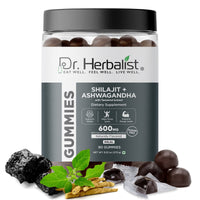
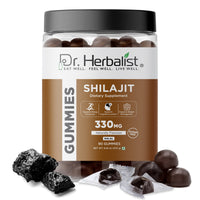
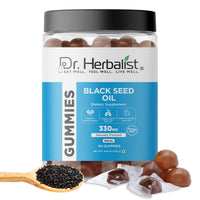
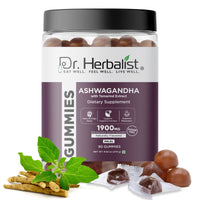
Every gummy we make is Halal certified and made without pork-derived gelatin or alcohol, individually wrapped, with no added sugar:
- Ashwagandha Gummies: the everyday calm classic (90 ct also available)
- Black Seed Oil Gummies: cold-pressed Nigella sativa (kalonji) oil, chewable
- Shilajit Gummies: the Himalayan mineral resin, no tar taste
- Shilajit + Ashwagandha Gummies: both classics in one
- Castor Oil Gummies: castor oil without the infamous spoonful
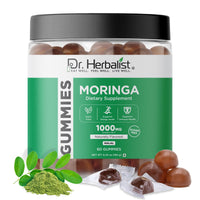
- Moringa Gummies and Tongkat Ali Gummies
Browse the full gummies collection, or if you're weighing formats, start with Is Ashwagandha Halal? and Black Seed (Nigella Sativa): Capsules, Gummies & Oil Compared.
Frequently asked questions
Are gummy vitamins halal?
Only some. Conventional gummies are typically made with gelatin of unstated origin, which is doubtful at best. Halal gummies use a plant base like pectin or halal-certified gelatin, verified by an independent certification mark.
What are halal gummies made of instead of gelatin?
Plant-derived gelling agents, most commonly pectin from fruit, and sometimes agar or carrageenan from seaweed, or modified plant starches. Certified beef or fish gelatin is the other permissible route.
Is pectin halal?
Yes. Pectin is extracted from fruit, typically citrus peel and apples, so it's plant-derived and permissible. It's the standard base in gummies made without gelatin.
Is beef gelatin halal?
Only when the cattle were slaughtered according to Islamic requirements and the supply chain is verified, which is what halal certification confirms. "Beef gelatin" on a label without a certification mark is unverified.
Are Dr. HERBALIST gummies halal?
Yes. Every Dr. HERBALIST gummy is Halal certified and made without pork-derived gelatin or alcohol. They're also individually wrapped with no added sugar.
This article is educational content about ingredients and labeling. Statements about herbal ingredients on linked product pages have not been evaluated by the Food and Drug Administration; these products are not intended to diagnose, treat, cure, or prevent any disease.