Women's Wellness
Botanicals treasured in women's wellness traditions: shatavari, hibiscus, fenugreek, garden cress, ashwagandha, maca, and amla. From a women-owned, Halal-certified brand. Lab tested, no fillers.


Botanicals treasured in women's wellness traditions
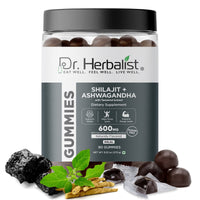
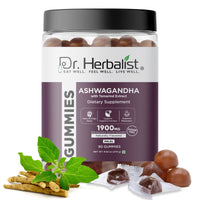
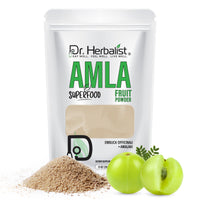
From a women-owned, Halal-certified brand: the herbs that generations of women have kept in the kitchen. Shatavari, the classical Ayurvedic women's tonic; ashwagandha for everyday stress in gummy, extract and powder form; maca root; fenugreek (methi); garden cress seeds (halim); amla and hibiscus as natural sources of vitamin C; and triphala for digestive balance.*
What each herb is known for
Shatavari is a cooling, nourishing rasayana traditionally taken in warm milk to support balance through the phases of adult life, and it has recent placebo-controlled studies in women. Garden cress is one of the richest plant sources of iron, used after childbirth across South Asia and the Middle East. Fenugreek is the traditional lactation kitchen herb. Ashwagandha and shatavari are the classical Ayurvedic pair for stress and vitality.*
How to use them
Shatavari and ashwagandha powders: about half a teaspoon in warm milk. Garden cress: soak until it gels, then stir into milk or porridge. Amla and hibiscus: in water, smoothies or hair masks. Gummies and capsules for a measured, no-prep serving.
Pregnancy, nursing and medication
Many of these herbs have long traditions around pregnancy and postpartum, and that is exactly when professional guidance matters. Speak with your healthcare provider before using any supplement while pregnant, trying to conceive, nursing, or taking medication. Halal certified, single-ingredient, lab tested.
*These statements have not been evaluated by the Food and Drug Administration. These products are not intended to diagnose, treat, cure, or prevent any disease.
Frequently asked questions
Is shatavari safe during pregnancy?
Speak with your healthcare provider before using shatavari or any supplement while pregnant, trying to conceive, or nursing.
What are halim (garden cress) seeds used for?
They are one of the richest plant sources of iron, with protein, fiber and calcium, traditionally soaked into milk or laddoos after childbirth and as daily nourishment.
Can I take ashwagandha and shatavari together?
Yes, they are the classical Ayurvedic pair and have been studied together. Follow label servings and check with your provider if on medication.