Amla (Indian Gooseberry): Benefits, Uses, and What the Research Suggests
At a glance (TL;DR)
- Amla (Indian gooseberry) is a tart fruit and a natural source of vitamin C and antioxidant plant compounds.
- Traditionally used to support immune wellness, energy and healthy hair and skin.*
- Stir the powder into water or smoothies, or use in traditional hair masks; also one of Triphala's three fruits.
What Is Amla?
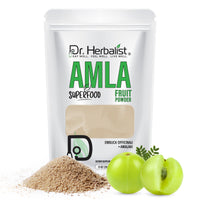
Amla (Emblica officinalis), also known as Indian gooseberry, is a small, tart fruit long celebrated in traditional wellness. It is a natural source of vitamin C and other antioxidant plant compounds.
What Does It Do?
Amla is traditionally used to support immune wellness, energy, and healthy hair and skin as part of daily routines, and it is a familiar ingredient in classical herbal blends.
Common Uses
- Daily immune and everyday-wellness support
- Hair and scalp care routines
- Smoothies, teas, and traditional tonics
- Antioxidant-rich culinary uses
What the Research Suggests
Amla has been studied for its vitamin C and antioxidant content. Research is ongoing and results vary.
- View study: Emblica officinalis antioxidant review (PubMed)
- View study: Amla and wellness applications (PubMed)
Explore Amla Products
Browse our Amla (Indian Gooseberry) collection, including single-ingredient powder. Have questions? Visit our FAQ page.
*These statements have not been evaluated by the Food and Drug Administration. This product is not intended to diagnose, treat, cure, or prevent any disease.
Explore the Dr. Herbalist range
Triphala Powder 200g · Amla Powder 200g
Frequently Asked Questions
What is amla used for? Amla, the Indian gooseberry, is a natural source of Vitamin C used to support immune health and hair and skin routines.
How do I use amla powder? Stir into water or smoothies, or use in traditional hair masks.
Is amla sour? Yes, amla has a naturally tart taste; mixing with juice or honey softens it.